Travel insurance is one of those things many travelers overlook until they actually need it. In Thailand, where tropical diseases, road accidents, and unexpected medical bills are real possibilities, having the right coverage can save you thousands of dollars and a lot of stress.
This guide covers everything you need to know about travel insurance for Thailand – whether it is required, what it covers, how much it costs, and how to pick the right plan for your trip.
Do You Need Travel Insurance for Thailand?
Is Travel Insurance Mandatory for Thailand?
No, travel insurance is not currently mandatory for most visitors entering Thailand in 2026. During the COVID-19 pandemic, Thailand required all incoming travelers to carry insurance with a minimum of $10,000 in medical coverage. That requirement was lifted once the country fully reopened.
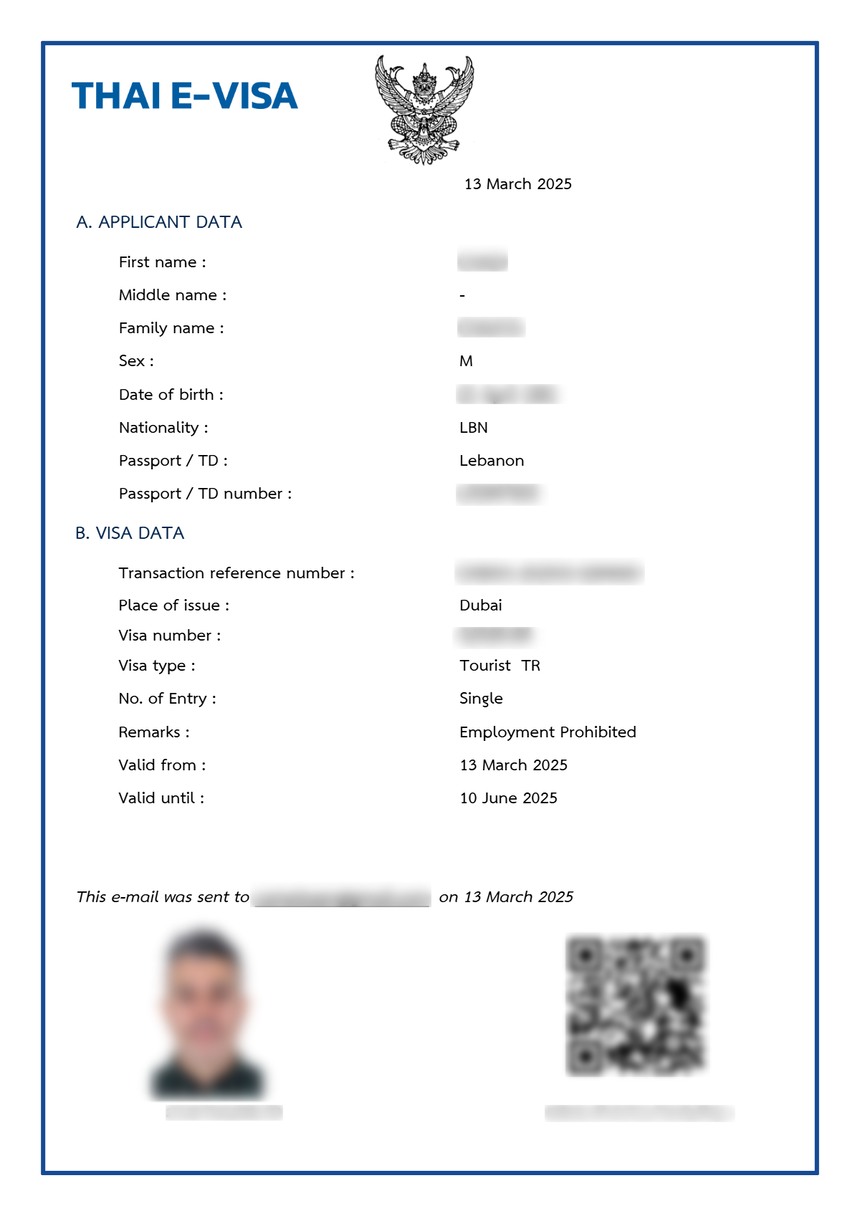
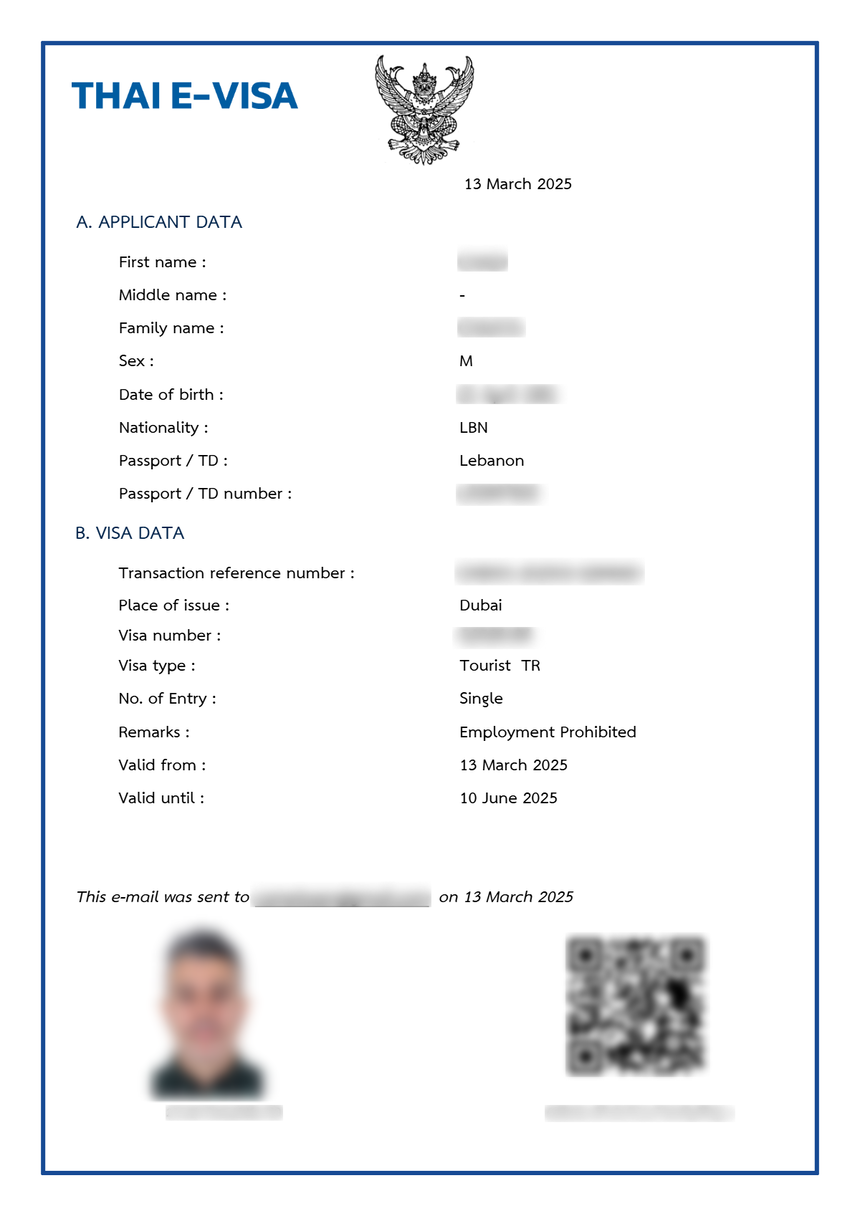
However, “not mandatory” does not mean “not important.” Thailand’s immigration officers may still ask for proof of onward travel and sufficient funds, and some visa categories (such as long-stay or retirement visas) have their own insurance requirements. For short-term tourists applying for a Thailand tourist visa, though, there is no legal obligation.
Why Travel Insurance Is Strongly Recommended
Even without a mandate, travel insurance is strongly recommended for anyone visiting Thailand. Here is why:
- US health insurance and Medicare are not accepted in Thailand. If you get sick or injured, you pay out of pocket – unless you have travel insurance.
- Private hospitals require upfront payment. Many of Thailand’s best hospitals will not start treatment until you pay or show proof of coverage.
- Medical costs for foreigners can be high. While Thailand is generally affordable, private hospital stays, surgeries, and emergency evacuations can run into tens of thousands of dollars.
- Thailand has the highest road accident rate in Southeast Asia. According to the World Health Organization, motorcycle and scooter accidents are a leading cause of injury for tourists.
- Tropical diseases like dengue fever and foodborne illnesses are common, especially during the rainy season.
- Natural disasters including monsoon flooding and tropical storms can disrupt travel plans, cancel flights, and strand you in remote areas.
A comprehensive travel insurance plan costs just a few dollars per day and provides peace of mind that you will not face a financial crisis if something goes wrong.
What Does Thailand Travel Insurance Cover?
A good travel insurance policy for Thailand typically includes the following types of coverage:
| Coverage Type | What It Protects | Recommended Minimum |
|---|---|---|
| Emergency Medical | Hospital stays, doctor visits, surgery, medication | $50,000 |
| Medical Evacuation | Transport to a better hospital or repatriation home | $100,000 |
| Trip Cancellation | Reimbursement for prepaid costs if you cancel for a covered reason | 100% of trip cost |
| Trip Interruption | Unused travel costs plus last-minute return flights | 150% of unused cost |
| Baggage Loss or Delay | Stolen, damaged, or delayed personal belongings | $1,000-$2,500 |
| Travel Delay | Hotel stays, meals, and new arrangements during delays | $150-$200/day |
| 24/7 Assistance | Translation, hospital referrals, document replacement | Included |
For most travelers, a comprehensive plan that bundles all of the above is the best value. Medical-only plans are cheaper (averaging $2.75 per day) but leave you unprotected against trip cancellations, delays, and baggage issues.
How Much Does Travel Insurance for Thailand Cost?
Based on data from roughly 5,000 travelers who booked Thailand trips through Squaremouth, here are the average costs:
- Average total cost: $200-$250 per trip
- Average daily cost: About $8 per day
- Average trip length: 28 days
- Medical-only plans: Around $2.75 per day
Thailand is one of the least expensive international destinations to insure. Average premiums are roughly 60% less than the cost of insuring trips to other international destinations. This is partly because Thailand itself is an affordable country – lower trip costs mean lower insurance premiums.
Your actual cost will depend on your age, trip length, trip cost, and the coverage level you choose. A 30-year-old on a two-week budget trip will pay significantly less than a 65-year-old on a month-long luxury vacation.
Best Travel Insurance Plans for Thailand
Based on Squaremouth’s sales data from the past 12 months, these are the three most popular plans purchased by Thailand-bound travelers:
| Plan | Medical / Evac Coverage | Cancellation / Interruption | Best For |
|---|---|---|---|
| Tin Leg – Gold | $500,000 / $500,000 | 100% / 150% of trip cost | Highest medical coverage |
| Travel Insured – FlexiPAX | $100,000 / $500,000 | 100% / 150% of trip cost | Families (free child coverage) |
| IMG – iTravelInsured Choice | $100,000 / $500,000 | 100% / 150% of trip cost | Strong evacuation coverage |
Tin Leg Gold is the most popular option, accounting for about 25% of all Thailand plan sales. It offers $500,000 in emergency medical coverage – the highest on the market – and highly rated 24-hour emergency assistance services.
Travel Insured FlexiPAX is the best choice for families. It covers up to 9 children at no additional cost and offers popular add-ons like Cancel For Any Reason and Interruption For Any Reason.
IMG iTravelInsured Choice shines for evacuation coverage. It includes $500,000 in medical evacuation and $100,000 in non-medical evacuation (covering transport to safety during natural disasters or political unrest).
What Travel Insurance Does NOT Cover in Thailand
Travel insurance has limits. Most standard policies exclude the following:
- Known events: If a typhoon, protest, or airline strike is already public knowledge before you buy your policy, related claims will likely be denied.
- Pre-existing medical conditions: Most plans exclude these unless you purchase a specific waiver, usually within 14-21 days of your initial trip deposit.
- Adventure sports: Activities like scuba diving, rock climbing, ziplining, and motorcycle riding may not be covered unless your policy explicitly includes adventure sports coverage.
- Government travel advisories: If the US government issues a travel advisory for Thailand after your booking, related disruptions may not be covered.
- Reckless behavior: Claims resulting from extreme intoxication, illegal activity, or ignoring safety warnings are typically denied.
- High-value items: Electronics, jewelry, and expensive gear often have low per-item limits. Check the fine print.
Always read the Certificate of Insurance before purchasing. Exclusions vary significantly between plans.
Health Risks and Medical Care in Thailand
Understanding the health landscape in Thailand helps you choose the right level of coverage.
Healthcare Quality
Thailand has excellent healthcare in major cities. Bangkok, Chiang Mai, and Phuket all have internationally accredited hospitals. However, quality drops significantly in rural areas and on smaller islands. If you are heading to remote destinations, medical evacuation coverage becomes especially important.
Common Health Risks
- Dengue fever: A mosquito-borne illness that peaks during the rainy season (May-October). There is no vaccine commonly available for travelers, so prevention relies on mosquito repellent and protective clothing. Check the Thailand TDAC requirements page for health declaration details.
- Food and waterborne illness: Street food is one of Thailand’s great pleasures, but stomach issues are common among travelers. Severe cases may require hospitalization.
- Road accidents: Thailand has one of the highest road fatality rates in the world. Motorcycle and scooter accidents are the single biggest injury risk for tourists.
- Tropical heat and dehydration: Heatstroke and dehydration are real risks, especially for hikers and island visitors.
- Animal bites: Stray dogs and monkeys (especially at temples) can pose rabies risks.
Hospital Costs for Foreigners
A visit to a private emergency room in Bangkok can cost $200-$500. A hospital stay can run $1,000-$3,000 per day. A serious injury or surgery can easily exceed $10,000-$50,000. Emergency evacuation from a remote island to a Bangkok hospital can cost $20,000 or more. These are the numbers that make travel insurance worth every cent. For context, the Thailand TDAC fee page covers what other entry-related costs you might face.
Tips for Choosing the Right Plan
- Use a comparison tool. Sites like Squaremouth let you compare multiple plans side by side based on your specific trip details.
- Read the exclusions carefully. Coverage varies widely, especially for adventure sports and pre-existing conditions.
- Match coverage to your activities. If you plan to ride motorcycles, scuba dive, or trek in remote areas, look for a plan that explicitly covers those activities.
- Consider your age and health. Older travelers and those with medical conditions should prioritize higher medical limits and pre-existing condition waivers.
- Buy early. Many benefits (like Cancel For Any Reason and pre-existing condition waivers) require purchasing within 14-21 days of your first trip deposit.
- Do not rely on your credit card. Credit card travel insurance is often very limited – low medical caps, minimal evacuation coverage, and strict exclusions.
Before you travel, also make sure to complete your Thailand Digital Arrival Card (TDAC) registration and review the Thailand visa processing time guide if you still need to apply for a visa.
Frequently Asked Questions
Which travel insurance is best for Thailand?
The best plan depends on your priorities. Tin Leg Gold offers the highest medical coverage ($500,000). Travel Insured FlexiPAX is ideal for families with free child coverage. IMG iTravelInsured Choice leads on evacuation protection. Use a comparison tool to find the best fit for your specific trip and budget.
Do I really need travel insurance for Thailand?
While not legally required in 2026, it is strongly recommended. US health insurance is not accepted in Thailand, private hospitals require upfront payment, and a single medical emergency can cost tens of thousands of dollars. For roughly $8 per day, travel insurance provides essential protection.
Will my US health insurance cover me in Thailand?
No. US health insurance, including Medicare, is generally not accepted in Thailand. You will be expected to pay for any medical care upfront. Only travel medical insurance or an international health insurance plan will cover your healthcare costs in Thailand.
What type of insurance do I need for Thailand?
A comprehensive travel insurance plan is recommended. It should include emergency medical coverage (at least $500,000), medical evacuation ($100,000+), trip cancellation and interruption, baggage protection, and 24/7 assistance. If you plan adventurous activities like scuba diving or motorcycling, add adventure sports coverage.
Is travel insurance mandatory for Thailand in 2026?
No. Thailand ended its COVID-era travel insurance mandate. Short-term tourists are not required to carry insurance for entry. However, some long-stay visa categories may still have insurance requirements, so check your specific visa type.
How much travel insurance do I need for a Thailand trip?
The industry recommendation is at least $50,000 in emergency medical coverage and $100,000 in medical evacuation. For comprehensive trip protection, ensure your cancellation coverage matches 100% of your prepaid trip costs, with interruption coverage at 150% of unused costs.