

Planning a trip to Thailand? Understanding the Thailand visa application process is essential before you book your flights. Whether you need a tourist visa, business visa, or one of the newer long-term options like the DTV or SMART visa, this guide walks you through every step — from checking your eligibility to receiving your approved e-Visa by email.
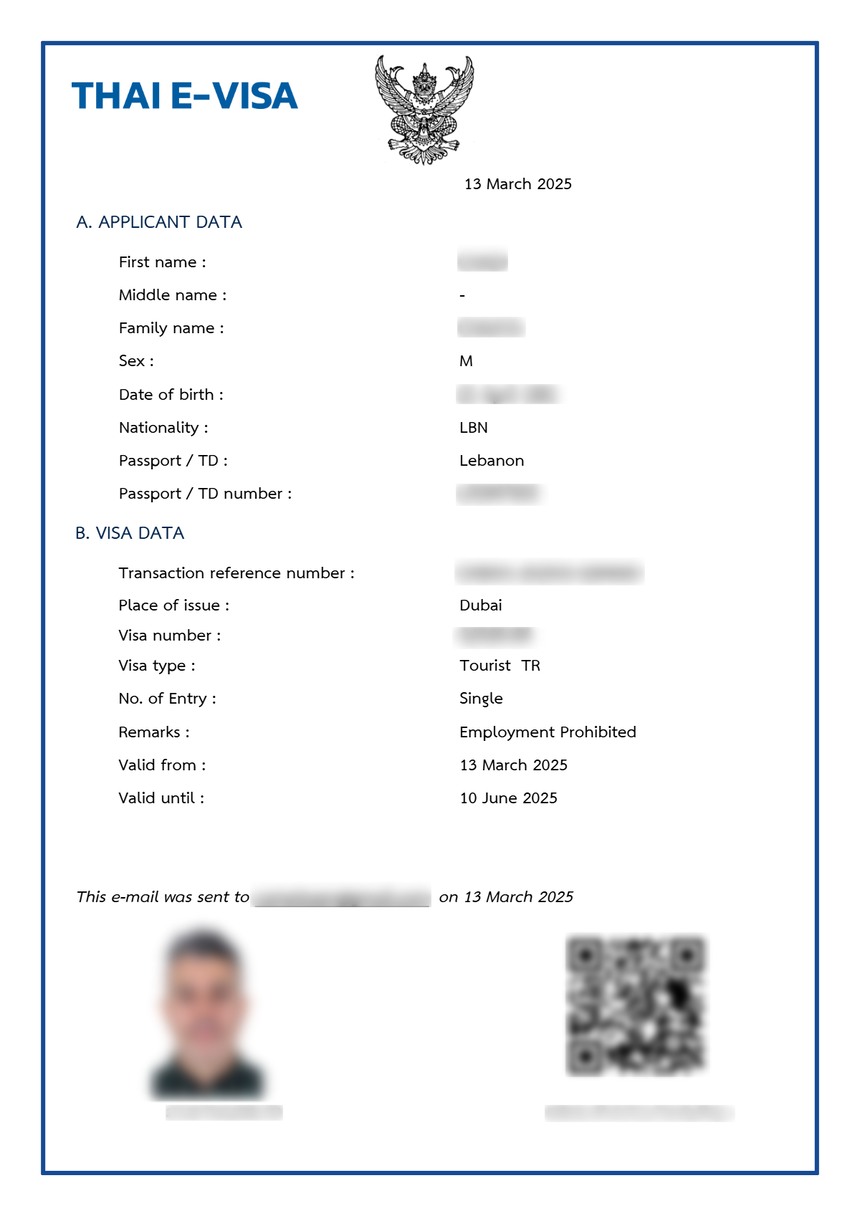
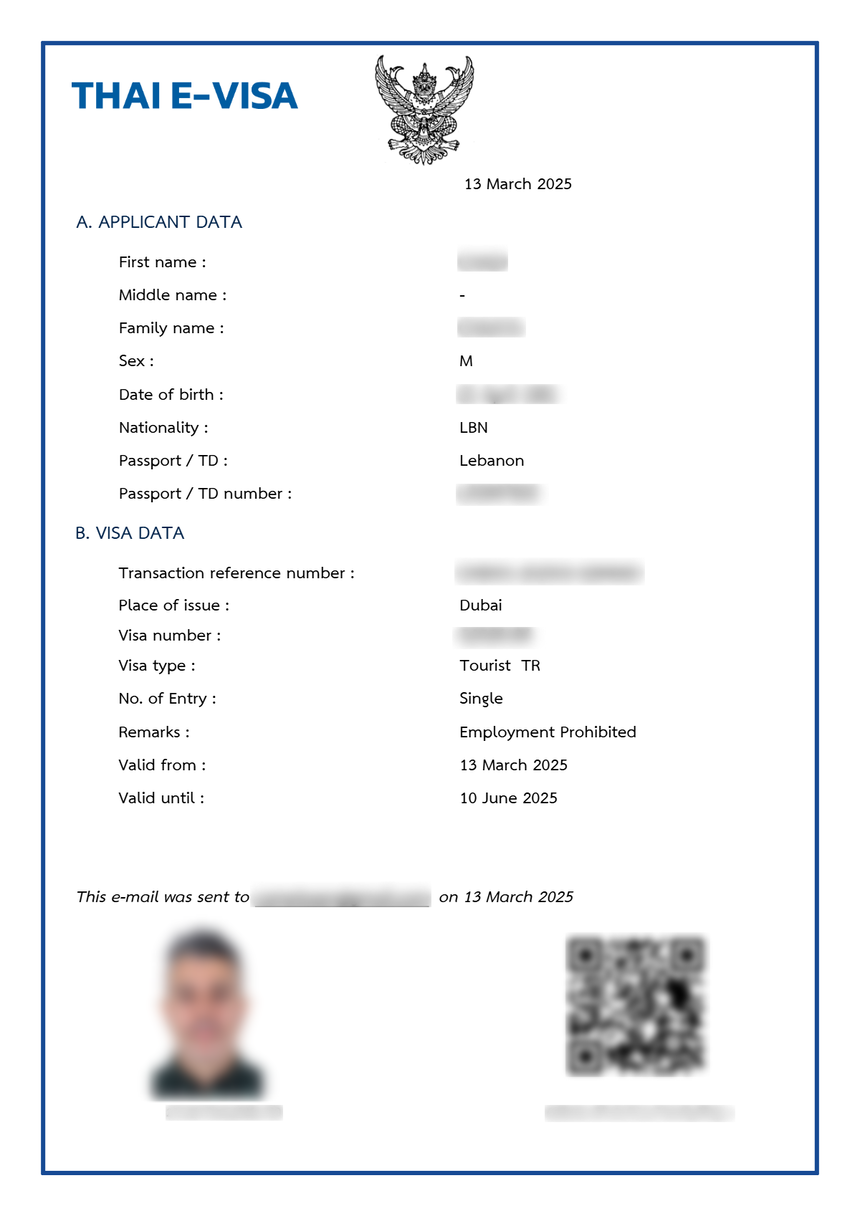
Since January 2025, Thailand’s e-Visa system is available at all Royal Thai Embassies and Consulates worldwide, making the application process fully online for most nationalities. Below, you will find everything you need to know to submit a successful application.
Thailand Visa Application Overview
The Thailand visa application process is managed through the official e-Visa portal at thaievisa.go.th, operated by the Ministry of Foreign Affairs. The system allows foreign nationals to apply for a wide range of Thai visas entirely online — no embassy visits required in most cases.
Here is a quick summary of the process:
| Step | Action | Details |
|---|---|---|
| 1 | Create an account | Register on the official e-Visa portal with a valid email |
| 2 | Choose visa type | Select the visa category that matches your travel purpose |
| 3 | Fill in the form | Enter personal details, travel dates, and passport information |
| 4 | Upload documents | Submit passport scan, photo, flight bookings, and proof of accommodation |
| 5 | Pay the fee | Pay the non-refundable visa fee online |
| 6 | Wait for approval | Processing takes 5–10 working days; confirmation sent by email |
The entire process can be completed from anywhere in the world. You should apply at least 30 days before your intended departure, though applications can be submitted up to 90 days in advance.
Do You Need a Visa for Thailand?
Not every traveler needs to go through the Thailand visa application process. Thailand offers several entry schemes depending on your nationality and the length of your stay.
Visa Exemption Scheme
Citizens of 93 countries can enter Thailand without a visa under the Visa Exemption Scheme. This allows a stay of up to 60 days for tourism purposes, with the option to extend for an additional 30 days at a local immigration office. Countries covered include the United States, United Kingdom, most EU nations, Australia, Japan, South Korea, and many others.
If you qualify for visa exemption and plan to stay 60 days or less for tourism, you do not need to submit a Thailand visa application at all — simply arrive with a valid passport.
Visa on Arrival
Travelers from 31 countries — including India, China, and several Middle Eastern and Central Asian nations — can obtain a Visa on Arrival (VOA) at major Thai airports and select land border checkpoints. The VOA allows a stay of up to 15 days and cannot be extended.
The VOA is a convenient option for short visits, but if you plan to stay longer or are traveling for purposes other than tourism, you will need to apply in advance.
When You Must Apply for a Visa
You must complete a Thailand visa application if:
- Your nationality is not on the visa exemption or VOA lists
- You plan to stay longer than 60 days
- You are traveling for business, work, study, or family reasons
- You need a multiple-entry visa
- You want a long-term visa (DTV, SMART, LTR, or Retirement)
For the most up-to-date eligibility check, use the tool on the official e-Visa homepage — select your nationality and planned stay duration to see if you need a visa.
Types of Thai Visas You Can Apply For
The e-Visa system supports several visa categories. Choosing the right one is the first step in your Thailand visa application.
Tourist Visa
The Thailand tourist visa is the most common option for leisure travelers. It is available as a single-entry (60-day stay) or multiple-entry visa. You can extend your stay by 30 days at an immigration office inside Thailand. Working on a tourist visa is strictly prohibited.
Business and Work Visas
If you are traveling for professional reasons, you may need a Thailand business visa or work visa. The 90-day Non-Immigrant B visa is the standard entry point for business visitors and those seeking employment-based permits. This visa also serves as the first step toward obtaining longer-term work permits and residency options.
Student Visa
The Thailand student visa (Non-Immigrant ED) is designed for those enrolled in Thai educational institutions, attending training programs, or participating in internships. It allows a stay of up to 90 days initially, with extensions available for the duration of your studies.
Transit Visa
The Thailand transit visa is for travelers passing through Thailand on their way to another destination. It allows a stay of up to 30 days and is also used for sport activities and crew members of transit vessels.
Special Visas: DTV, SMART, and LTR
Thailand offers several specialized long-term visas:
- DTV (Destination Thailand Visa): A 5-year multiple-entry visa for remote workers and digital professionals, allowing 180 days per entry with extension options.
- SMART Visa: A 4-year visa for professionals, investors, and executives in targeted industries like technology, healthcare, and automation.
- LTR (Long-Term Resident) Visa: A 10-year visa for digital nomads, wealthy investors, retirees, and skilled professionals, with benefits including reduced income tax and annual (instead of 90-day) immigration reporting.
How to Apply for a Thailand Visa Online (Step-by-Step)
The Thailand visa application process through the e-Visa system is straightforward. Follow these six steps to complete your application.
Step 1: Create an Account
Visit thaievisa.go.th and click Create Account. You will need a valid email address and a secure password. After registration, verify your email through the confirmation link sent to your inbox.
Step 2: Choose Your Visa Type
Once logged in, select Apply for Visa from the menu. The system will first check your eligibility by asking for your nationality and intended length of stay. Based on your answers, it will show you the visa categories available to you. Choose the one that matches your travel purpose — tourism, business, study, transit, or another category.
Step 3: Fill in the Application Form
Complete the digital form with accurate information. You will need to provide:
- Full name (as it appears on your passport)
- Date and place of birth
- Nationality and passport number
- Passport expiry date (must be valid for at least 6 months beyond your planned entry)
- Travel dates and purpose of visit
- Accommodation details in Thailand
- Employment or education details
Double-check all entries before proceeding. Errors in personal information are one of the most common reasons for application delays.
Step 4: Upload Supporting Documents
Prepare digital scans or clear photos of the required documents. The standard requirements include:
- Passport biodata page — must show at least 2 blank pages and 6 months validity
- Recent passport-sized photo — taken within the last 6 months, white background
- Flight itinerary — round-trip booking or onward travel confirmation
- Proof of accommodation — hotel reservation, rental agreement, or invitation letter
- Financial proof — bank statement showing sufficient funds (varies by visa type)
- Additional documents — depending on visa category (e.g., employment letter for business visa, enrollment letter for student visa)
All documents must be clear, legible, and in the required file format (typically JPEG or PDF).
Step 5: Pay the Visa Fee
Pay the non-refundable application fee directly through the portal. Fees vary by visa type and nationality. Payment is accepted via credit or debit card. Keep your payment receipt — you may need it for reference.
Step 6: Wait for Processing and Receive Approval
After submission, track your application status through your e-Visa account. Processing typically takes 5 to 10 working days, though some embassies may process faster. The Thailand visa processing time depends on the embassy or consulate handling your application and the volume of applications being processed.
Once approved, you will receive an email with your e-Visa confirmation document. Print this document and carry it with your passport when traveling. Immigration officers at the Thai port of entry will verify it.
Required Documents for a Thailand Visa Application
While document requirements vary by visa type, here is a summary of what you will typically need:
| Document | Tourist Visa | Business Visa | Student Visa |
|---|---|---|---|
| Passport (6+ months validity, 2 blank pages) | Yes | Yes | Yes |
| Passport-sized photo | Yes | Yes | Yes |
| Flight itinerary | Yes | Yes | Yes |
| Proof of accommodation | Yes | Yes | Yes |
| Bank statement | Yes | Yes | Yes |
| Employment letter | No | Yes | No |
| Company registration | No | Yes | No |
| Invitation letter | No | Yes | No |
| Enrollment letter | No | No | Yes |
| Acceptance from institution | No | No | Yes |
For the most accurate and up-to-date list, check the specific requirements listed on the official e-Visa portal for your visa category and nationality.
Thailand Visa Application Fees
Visa fees depend on the type of visa and whether it is single or multiple entry:
| Visa Type | Fee (approx.) | Validity |
|---|---|---|
| Tourist Visa (single entry) | 1,000 THB (~$30 USD) | 3 months |
| Tourist Visa (multiple entry) | 5,000 THB (~$150 USD) | 6 months |
| Transit Visa | 800 THB (~$24 USD) | 3 months |
| Non-Immigrant Visa (single entry) | 2,000 THB (~$60 USD) | 3 months |
| Non-Immigrant Visa (multiple entry) | 5,000 THB (~$150 USD) | 12 months |
All fees are non-refundable, regardless of the application outcome. Some nationalities may have different fee structures based on bilateral agreements.
Processing Times
The standard processing time for a Thailand visa application is 5 to 10 working days after the embassy receives your complete application. However, several factors can affect this:
- Peak travel seasons (November–February) may extend processing to 15 working days
- Incomplete applications will be returned, restarting the processing clock
- Embassy holidays in both Thailand and the host country do not count as working days
Apply at least 30 days before your departure to allow adequate processing time. You can submit your application up to 90 days in advance.
Common Mistakes to Avoid
Many Thailand visa applications are delayed or rejected due to preventable errors. Here are the most common pitfalls:
- Passport validity less than 6 months — Your passport must be valid for at least 6 months from your planned entry date. Renew it before applying if needed.
- Incorrect or inconsistent information — Ensure your name, date of birth, and passport number match exactly across all documents.
- Blurry or illegible document scans — Upload clear, high-resolution scans. Rejected scans are the number one cause of processing delays.
- Insufficient financial proof — Bank statements must show a healthy balance. There is no officially published minimum, but most embassies expect at least 20,000 THB ($600 USD) equivalent per person.
- Wrong visa category — Applying for a tourist visa when you plan to work or study will result in denial at the border. Choose the correct category from the start.
- Applying too late — Last-minute applications risk not being processed before your travel date. Apply at least 30 days ahead.
- Forgetting to print the e-Visa — Even though the approval is digital, you must carry a printed copy. Airlines and immigration officers may request it.